



Oil Seals in Slew Drives: A Key Component Guide
What is Slew Drive?
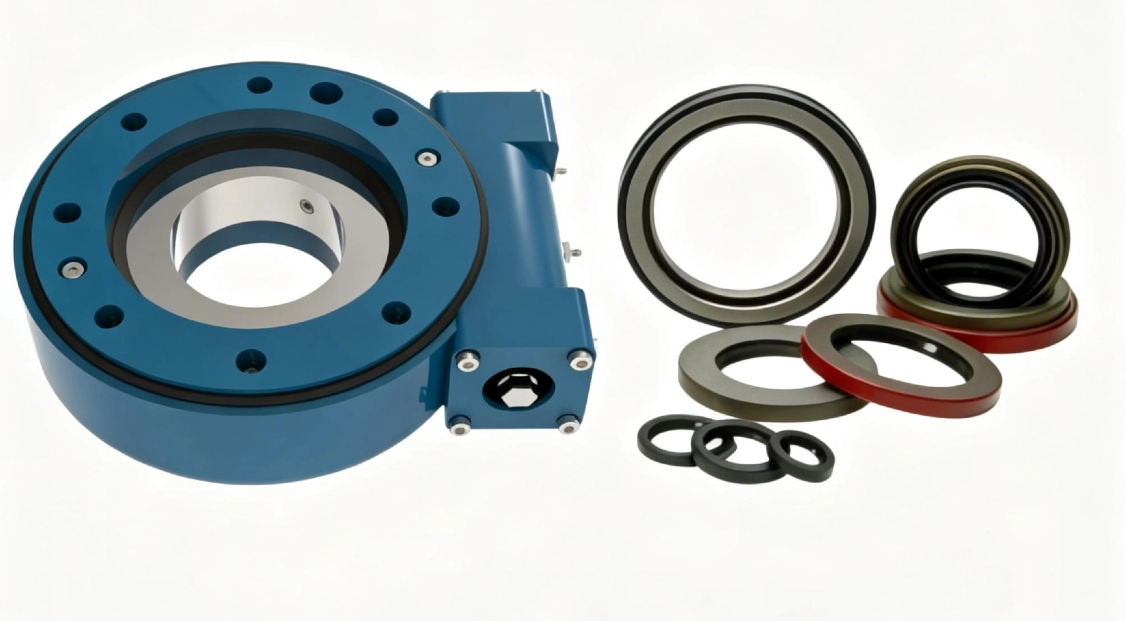
A slew drive (also known as a slewing drive) is a complete, compact rotational system that combines a worm gear reduction with a slewing bearing into a single integrated unit. This ingenious design enables it to support immense axial, radial, and moment loads while delivering smooth, controlled, and continuous 360-degree rotation. Unlike standard gearboxes, a slew drive provides a high reduction ratio in a low-profile package, making it the powerhouse behind slow, powerful, and precise rotational movements in heavy machinery and equipment.
How Does a Slew Drive Work?
The operation is elegantly simple. An input source (typically an electric or hydraulic motor) rotates the worm shaft. As this shaft turns, its helical threads engage with the teeth on the worm wheel, which is directly connected to the outer race of the slewing bearing. This interaction converts the high-speed, low-torque input into a low-speed, high-torque output rotation of the entire outer structure or platform. A key benefit is the self-locking capability of the worm gear set, which prevents back-driving and holds loads securely in position without needing a brake. For this complex mechanical dance to last, the internal components must be perfectly protected—a role fulfilled by oil seals.
Applications of Slew Drives
The unique capabilities of slew drives make them indispensable across numerous demanding industries:
Renewable Energy: They are the core component in solar trackers, precisely angling solar panels to follow the sun's path for maximum energy capture.
Construction & Heavy Machinery: They provide the rotational motion for excavators, cranes, and manlifts, allowing booms and platforms to swing safely under heavy loads.
Material Handling: Used in rotary conveyors, automated warehouses, and large industrial turntables.
Defense & Aerospace: Found in radar antennas, missile launchers, and telescope mounts where precision and reliability are non-negotiable.
Robotics & Automation: Enable heavy-duty rotational axes in robotic welding cells and large assembly machines.
What Are Oil Seals in Slew Drives?
Oil seals, also referred to as shaft seals or rotary seals, are critical mechanical components installed at the interfaces between moving and stationary parts of a slew drive. Think of them as the high-performance gaskets for rotating shafts. In a slew drive, they are primarily located where the central worm shaft exits the housing. Their fundamental purpose is twofold: to retain the essential lubricating grease or oil inside the gearbox and to act as a barrier against external contaminants like dust, dirt, water, and abrasive particles. A failure in this small component can lead to the failure of the entire drive.
Working Principle of Oil Seals
The fundamental role of an oil seal within a slew drive is to perform two critical and continuous functions: retaining internal lubrication and excluding external contaminants.
Its operation hinges on the precise interaction at the sealing lip. A microscopically thin, continuous film of lubricant is intentionally maintained between the flexible sealing lip and the rotating shaft surface. This film serves a dual purpose: it provides essential lubrication to the seal lip itself, preventing excessive wear and heat generation, and it enables the primary sealing mechanism. The rotation of the shaft generates a mild hydrodynamic pumping action within this fluid film, which actively directs any migrating oil back toward the interior of the housing.
This design ensures that the essential grease or oil is kept securely inside the gearbox, protecting the worm gear and bearings from wear. Concurrently, the seal lip forms a physical barrier that proactively blocks the entry of abrasive particles like dust, dirt, and moisture from the working environment. By safeguarding the integrity of the internal lubricant and the precision components it protects, the oil seal is a foundational element for achieving reliable performance and extended service life in any slew drive application.
Causes of Oil Seal Failure in Slew Drives
Understanding why seals fail helps in preventing it. Common causes include:
Chemical Attack/Incompatibility: Exposure to harsh chemicals, solvents, or even an incompatible internal lubricant can cause the elastomer to swell, soften, crack, or harden. This degradation breaks down the sealing lip.
Abrasive Wear: Ingress of fine dust or grit acts like sandpaper on the sealing lip and shaft surface, gradually wearing them down and creating leakage paths.
Improper Installation: Nicks, cuts, or misalignment during installation can immediately compromise the seal. Rolling or twisting the lip is a common installation error.
Excessive Heat: Operating beyond the seal material's temperature range accelerates aging, causing the elastomer to harden and lose elasticity (a process called heat hardening).
Shaft Damage or Improper Finish: A scored, corroded, or poorly machined shaft surface will never allow the sealing lip to form an effective barrier, leading to rapid leakage.
Common Types of Oil Seals Used in Slew Drives
Selecting the right type is crucial for performance:
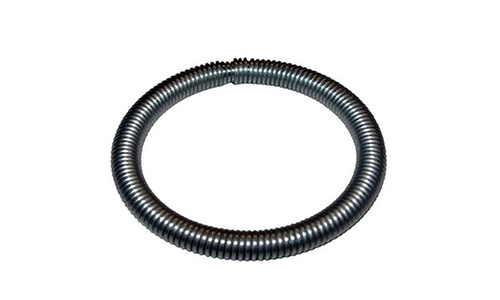
Spring-Loaded Radial Lip Seals: The industry standard for slew drive worm shafts. The internal garter spring provides consistent sealing force. Designs include single lips (for basic retention) and double lips (a primary seal and a secondary dust lip).
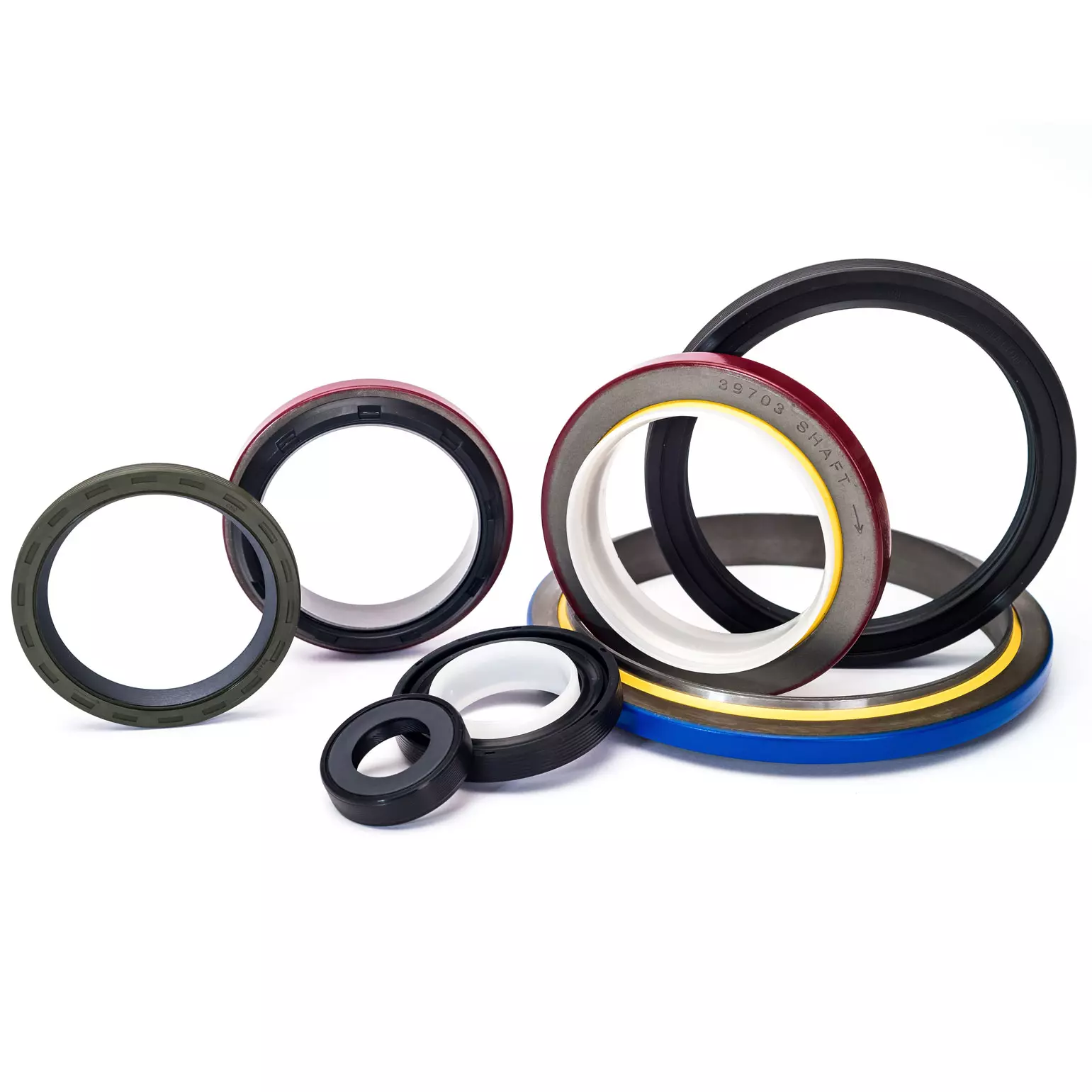
PTFE (Teflon®) Seals: Used in extreme applications. PTFE is highly chemically inert and handles a wider temperature range (-200°C to +260°C). Ideal for environments with minimal lubrication or aggressive chemicals.
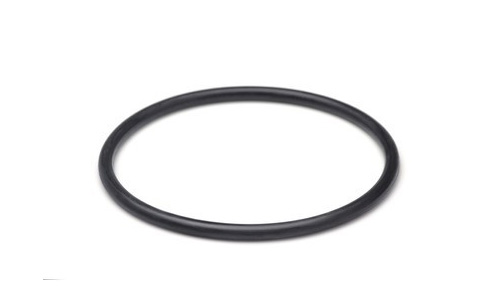
O-Rings: Used exclusively for static sealing between non-moving parts, such as housing flanges or inspection ports.
Material Choices:
NBR (Nitrile): A cost-effective, general-purpose material with good resistance to oils and a standard temperature range.
FKM (Fluorocarbon/Viton®): The premium choice for slew drives. Offers superior resistance to high temperatures, chemicals, and a variety of lubricants.
Polyurethane: Excellent for applications with high abrasion or extrusion risk.
Key Factors When Selecting Oil Seals for Slew Drives
Choosing a seal is an exercise in matching specifications to reality:
Operating Temperature: The seal material must perform reliably at your application's minimum and maximum temperatures, including any heat generated internally by the drive.
Chemical/Media Compatibility: The seal must be compatible with the internal lubricant and resistant to any external contaminants (e.g., ozone, UV, acidic/alkaline washdowns).
Pressure: Standard lip seals are for near-atmospheric pressure. High-pressure environments (e.g., inside some hydraulic drives) require specialized pressure seals.
Shaft Speed (PV Value): The combination of shaft surface speed and pressure (PV) must be within the seal's rating to prevent heat buildup and rapid wear.
Shaft Hardness and Surface Finish: A shaft that is too soft (below 30 HRC) will wear quickly. A polished, cross-hatched finish within a specified roughness (e.g., 0.2-0.8 µm Ra) is ideal for forming an effective seal without excessive friction.
How to Choose the Right Oil Seal for Your Slew Drive Application
A systematic approach ensures success:
Gather Application Data: Document the exact operating environment: temperature extremes, contaminants present, type of internal lubricant, continuous vs. intermittent operation, and shaft speed.
Analyze Previous Failures: If replacing a failed seal, diagnose the root cause (e.g., abrasion, chemical swelling, hardening) to avoid repeating the mistake.
Consult with Specialists: Use the technical data sheets from seal manufacturers, but more importantly, engage with your slew drive manufacturer. Their expertise on internal clearances, lubricant type, and expected shaft run-out is invaluable. They can recommend or supply a seal engineered as an integrated system component, not just a generic part.
Prioritize and Select: Balance performance requirements with budget. For harsh environments, investing in a premium FKM or PTFE seal upfront prevents costly downtime later.
Partnering with a Professional Slew Drive Manufacturer
Lyradrive is a professional slew drive manufacturer providing high quality and durable worm slew drives, WE slew drives, WEA slew drives, and other customized slew drives according to your design and working conditions.
we engineer our slew drives as complete, optimized systems. We don't view oil seals as mere commodities but as mission-critical components that are integral to our design. Our engineering team selects and tests seal materials and configurations specifically for the intended duty cycle and environmental challenges of your application.
Choose LyraDrive for slew drives engineered with every critical detail—including the seals—in mind. Contact our technical team today to discuss how our reliable drive solutions can power your success.
 WhatsApp
 sales@lyradrive.com
 +8613903880726