



What is a light duty slew drive? It is a compact rotary transmission unit that combines a slewing bearing, gear set, housing, and drive input to rotate a mounted load at relatively moderate load and duty requirements. A light duty slew drive is not automatically better than a heavier model; it is better only when its load capacity, torque margin, operating cycle, and environmental protection match the equipment.
The decision affects more than purchase cost. Selecting a unit that is too large can add unnecessary housing weight, mounting demands, and drive cost. Selecting one that is too small can lead to lost positioning accuracy, gear wear, housing stress, seal damage, or early replacement under repeated loads.
For equipment designers, the first selection rule is simple: choose the lighter option only when the actual radial, axial, and overturning moment loads remain within its verified ratings throughout the full operating cycle. Choose the heavier design when high torque, repeated shock loading, long duty cycles, or severe outdoor exposure create little margin for a compact unit.
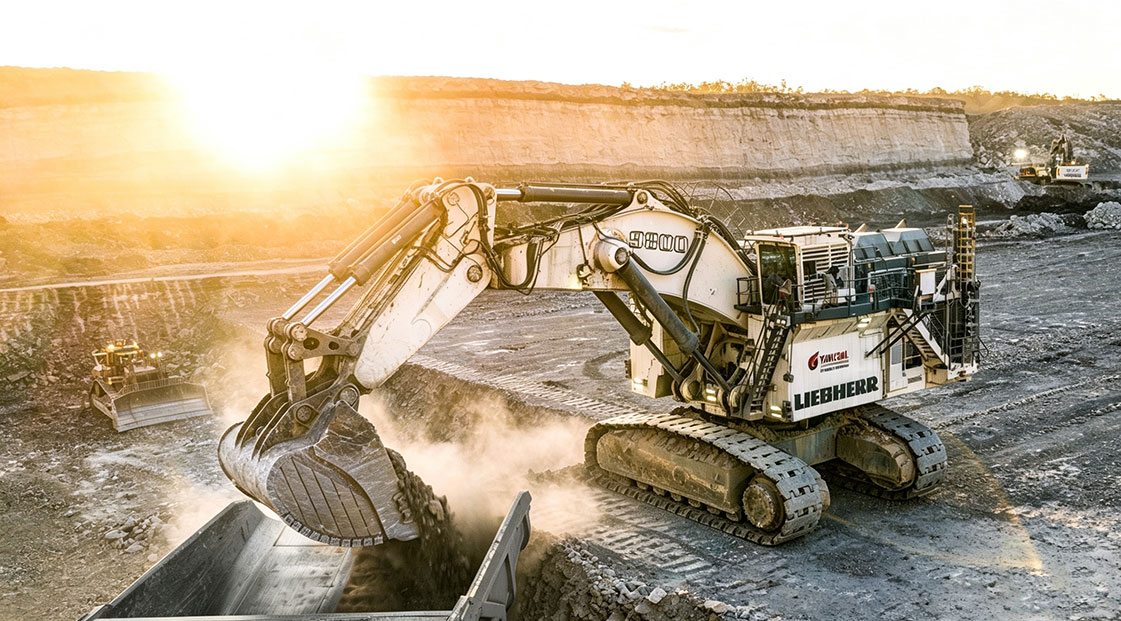
Start with the load path rather than the housing size
A compact housing can be attractive for mobile equipment, solar trackers, inspection platforms, small handling systems, and automated turntables. However, external dimensions do not show how the application transfers load into the bearing and gear train. The load path must be reviewed before comparing a lighter unit with a larger one.
Every rotating assembly can apply three basic loads to the drive: axial load, radial load, and overturning moment. The moment load often decides the selection because it increases quickly when the payload sits farther from the rotation center. A modest payload on a long arm may require a heavier design even if its total weight appears low.
Check the mounted load at its farthest working position
Use the maximum working position, not the parked position, for the initial comparison. A boom, panel frame, camera mast, grab, or platform can shift its center of gravity while moving. The highest overturning moment may occur during an extended reach, off-center load condition, or wind-exposed operating position.
- Choose a lighter design when: the payload stays close to the rotation center, movement is smooth, speed is controlled, and the equipment operates intermittently.
- Choose a heavier design when: the load is cantilevered, the center of gravity changes often, stopping forces are high, or the unit sees frequent starts and reversals.
- Do not select by payload alone: payload weight does not account for arm length, mounting stiffness, acceleration, shock, or external forces.
For example, a compact turntable carrying a centered fixture may suit a smaller drive if the fixture remains near the centerline and rotates only during indexing. That same drive may not suit a material-handling arm with the same fixture weight if the arm extends outward and creates higher moment load during each cycle.
The mounting structure matters as well. A flexible frame can transfer uneven loading into the drive, even if the calculated static load seems acceptable. If the base plate, bolt circle, or supporting weldment deflects, a heavier unit may be the safer choice because the full assembly—not only the drive—must resist the working loads.
Compare light-duty and heavy-duty designs by operating demand
The table below is a design comparison, not a universal rating chart. Actual limits vary by model, gear ratio, mounting arrangement, material selection, and application. Luoyang Slewring Bearing Co., Ltd. reviews these inputs when preparing a technical proposal, which is available within 24 hours based on the supplied project information.
| Decision factor | Light-duty design | Heavy-duty design | What the difference means |
|---|---|---|---|
| Moment load | Better suited to centered or short-offset loads with controlled movement. | Better suited to long-reach loads, large offsets, and high overturning force. | Use the heavier option when the load acts far from the rotation center or shifts during operation. |
| Output torque | Suitable for lower resistance rotation and moderate acceleration demand. | Suitable for larger rotating mass, higher resistance, and demanding starts or reversals. | Higher torque margin helps when the equipment must move reliably under changing resistance. |
| Housing weight | Lower assembly weight can help compact machines and weight-sensitive structures. | Greater housing mass supports heavier internal load paths and larger mounting interfaces. | A lighter assembly is valuable only when it does not remove needed load margin. |
| Duty cycle | Best for intermittent positioning, occasional rotation, and controlled cycles. | Better for frequent cycling, continuous production use, and repeated loaded rotation. | Repeated loading can make a heavy model necessary even when peak load appears moderate. |
| Sealing | Can fit protected indoor or moderate outdoor conditions when the required protection level is confirmed. | Often preferred for exposed, contaminated, wet, dusty, or harsh industrial service. | Select sealing based on the actual site environment, not only the machine category. |
Housing weight is the most visible trade-off, but it should not lead the decision. A lighter unit can reduce the mass carried by a mobile chassis, mast, or support frame. Yet those savings are not useful if the drive must be oversized later because the original load study missed a high-moment condition.
Torque should also be evaluated under real operating resistance. A rotating structure may face uneven load distribution, seal friction, slope effects, wind effects, or changing payload position. If torque demand rises during a normal cycle, a drive selected only for no-load rotation can become a weak point.
For applications requiring a self-locking arrangement, a Worm Gear Slew Drive may be appropriate when the operating conditions and safety requirements support that configuration. Self-locking behavior does not replace system-level safety design, braking review, or verification of external loads.
Match the design to the application, not the product label
“Light duty” and “heavy duty” are useful commercial descriptions, but neither label replaces engineering checks. The correct selection depends on how the equipment moves, how often it moves, and what happens when the load reaches its most demanding position.
Applications that can favor a lighter configuration
A lighter configuration can be a sound choice for compact equipment that performs controlled angular positioning rather than sustained high-load rotation. Examples include small automated turntables, moderate-load tracker mechanisms, compact inspection equipment, and protected indoor handling stations. The limit is clear: these applications still need verified capacity for the maximum combined load case.
- Automated indexing table: Choose a lighter unit when the fixture is centered, the cycle is intermittent, and the structure is rigid. Do not use that assumption for a turntable with offset tooling or repeated impact loading.
- Solar tracking mechanism: A lighter design may reduce structure weight when panel geometry, wind loading, and site exposure have been checked. Do not select only by panel area because wind and mounting geometry can control the moment load.
- Compact mobile equipment: Lower component weight can support transport and chassis objectives. Do not trade away load margin where the machine experiences vibration, uneven terrain, or variable payloads.
A relevant solar example comes from South American projects in Brazil, Argentina, and Chile, where SP-I 0229 spur gear slew drives were used for single-axis solar trackers. Those projects reported energy yield increases of up to 40%. That result belongs to those project conditions and should not be treated as a predicted gain for every tracker design.
For compact tracker arrangements, an SP-I Slew Drive can be considered during the comparison stage. The final selection still requires the tracker geometry, rotating mass, wind condition, required rotation range, and mounting details.
Applications that usually favor a heavier configuration
Heavy models are generally the safer direction for cranes, excavator attachments, mining equipment, forestry grapples, marine machinery, and high-load steering systems. These machines often combine offset loads, frequent reversals, shock, contamination, and long operating hours. A lighter housing may appear to fit physically while lacking the margin needed for the full working cycle.
One example is an Australian heavy-equipment manufacturer that selected HWE21-94-25HR.1 double worm slew drives for mining excavators. Mining equipment is a clear case where repetitive loading and demanding working conditions can outweigh the appeal of a lighter assembly.
Double-worm configurations can also be relevant where the application needs greater load handling stability and controlled motion under demanding conditions. A Double Worm Slew Drive should be evaluated when the duty and load pattern justify it, not simply because the machine has a large overall size.
Request Your Custom Slew Drive or Bearing Spec
Tell us your load, speed, and environment — receive a tailored 100–5000 mm slewing drive or slewing bearing proposal with 3D drawings within 24 hours.
Use duty cycle and environment to avoid a false economy
The initial purchase price is only one part of the decision. A lighter drive can lower machine weight and reduce the size of supporting parts, but a unit with insufficient duty or environmental margin can create higher costs through redesign, downtime, replacement, and field service.
Duty cycle means more than hours of operation. It includes starts, stops, reversing frequency, time under load, impact events, and periods when the load remains in an offset position. A machine that rotates only a few degrees but repeats that movement throughout production may need a heavier design than a machine that makes occasional full rotations.
Environmental exposure must be stated in the RFQ. Dust, rain, washdown, salt exposure, outdoor temperature changes, and abrasive debris can affect the appropriate sealing and corrosion approach. Luoyang Slewring Bearing Co., Ltd. offers slew drives with protection up to IP66 and anti-corrosion rating up to C4H, with the final solution selected according to the working environment.
| Commercial question | Why it changes the choice | Information to provide for review |
|---|---|---|
| Is lower machine weight a primary target? | A lighter drive may reduce structural and transport weight. | Maximum allowable assembly weight and available mounting space. |
| Will the load be offset or variable? | Offset load increases moment demand and may require a larger drive. | Payload, center-of-gravity distance, arm length, and maximum working position. |
| Will the unit cycle repeatedly under load? | Frequent loaded movement increases the need for duty margin. | Rotations or partial rotations per cycle, operating hours, starts, stops, and reversals. |
| Will the unit work outdoors or near contamination? | Sealing and corrosion protection can become more important than compact size. | Dust, water, salt, chemicals, temperature range, and cleaning method. |
| Is failure access difficult or expensive? | Hard-to-service equipment may justify more margin in the original selection. | Service access, planned maintenance window, and replacement consequences. |
Marine and port equipment illustrate why sealing and repeatable performance matter. A South Korean port equipment manufacturer placed a repeat order for 20 WEA9-62-25HR single worm slew drives for port crane systems, with stated tracking precision of no more than 0.15 degrees, IP65 sealing, and self-locking capability. This case supports evaluating actual protection and motion requirements rather than assuming all crane-related equipment needs the same drive size.
Quality verification should also be part of the commercial review. Our ISO 9001:2015 certified facility uses CMM three-coordinate inspection and dynamic load testing for every slewing bearing. Luoyang Slewring Bearing Co., Ltd. also provides a two-year extended quality warranty and a 48-hour technical response for confirmed support needs.
Verify the replacement decision with a structured sizing checklist
Do not replace a heavy model with a lighter one based on outside diameter, mounting bolt pattern, or a catalog image. A replacement can be approved only after confirming that the new configuration handles the same combined loading, duty, and environment with suitable margin.
- Define the rotating assembly. List the payload, fixture, arm, frame, drive motor, and all components carried above the slew drive.
- Locate the center of gravity. Measure its distance from the rotation center at each important machine position, especially the farthest reach.
- Document the motion cycle. Record rotation angle, direction changes, starts, stops, cycle frequency, and time spent holding an offset load.
- Identify external forces. Include operating resistance, impact, vibration, wind exposure where applicable, and any load created by cables or hoses.
- Check the mounting structure. Confirm the flatness, stiffness, bolt arrangement, and support frame can carry the selected drive without harmful distortion.
- Set environmental requirements. State indoor or outdoor use, contamination, water exposure, corrosion conditions, and required sealing level.
- Request a model-specific review. Provide the complete information so the supplier can assess the drive, bearing, gear train, housing, and mounting interface together.
For designs that cannot use a standard catalog arrangement, a Customized Slew Drive may be the practical route. Customization is especially relevant when the application needs a particular mounting interface, gear arrangement, housing form, material choice, or protection approach. Standard products can be ordered from one set, while customized products have a five-set MOQ; sample orders are welcome for testing and evaluation.
Material selection should follow the working condition. Luoyang Slewring Bearing Co., Ltd. can select ductile cast iron, alloy steel, stainless steel, or forged alloy steel according to load, speed, and environment. A material change should not be used as a substitute for correct sizing when the true problem is excessive moment load or inadequate torque margin.
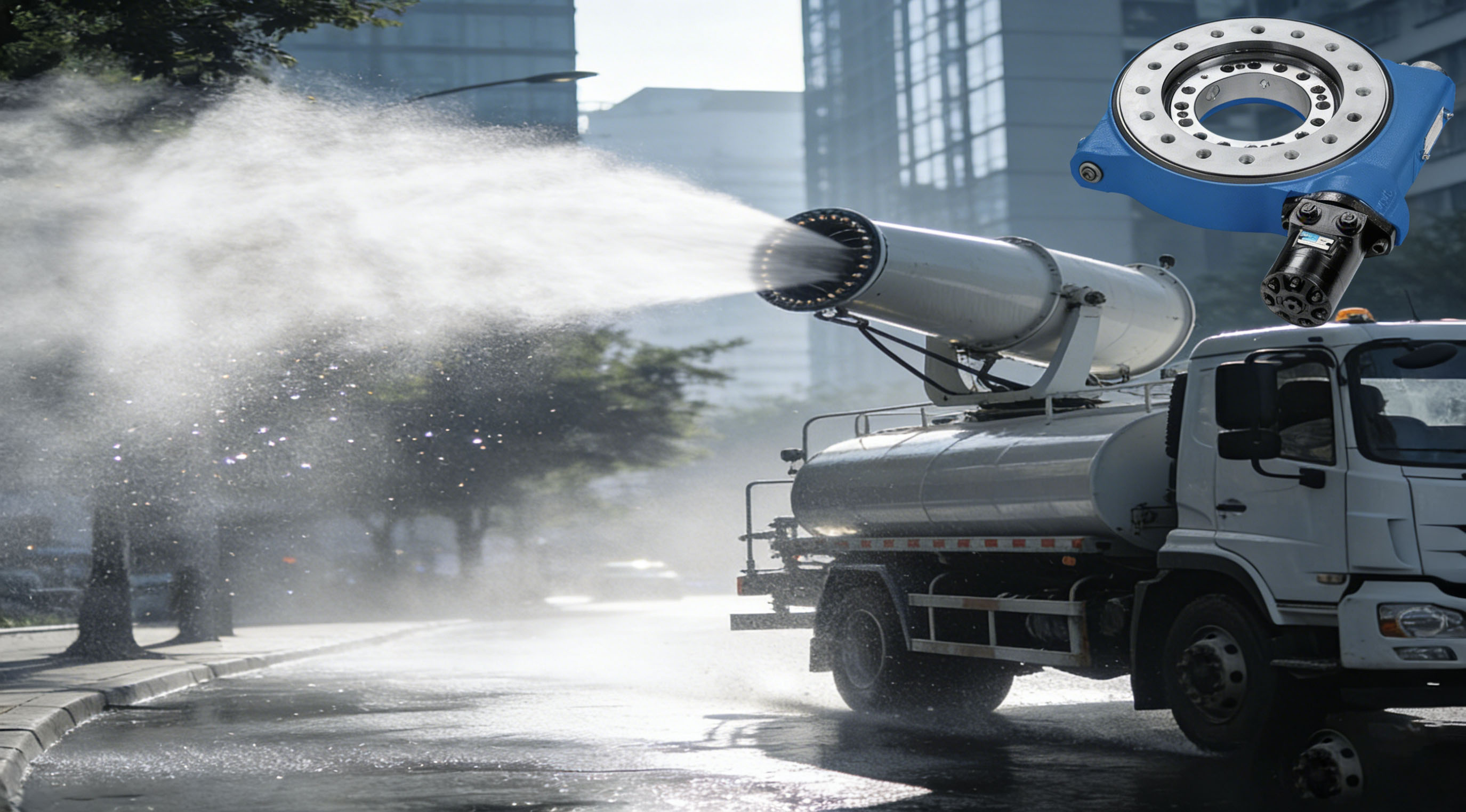
Apply a clear selection rule before requesting a quotation
Choose the lighter option when the assembly has controlled loads, limited offset distance, moderate torque demand, intermittent motion, and a suitable operating environment. It can reduce machine mass and support compact packaging. Do not choose it when those conditions are assumed rather than verified.
Choose the heavier option when the load is offset, the cycle is frequent, torque varies, shock is possible, access for service is difficult, or the unit works in exposed industrial conditions. The added housing weight can be justified by greater operating margin and a design better suited to repeated demanding service. It may not be necessary for a protected, centered, low-cycle application with verified low combined loads.
The best RFQ includes the load drawing, center-of-gravity location, mounting dimensions, desired rotation range, duty cycle, drive input details, environment, and target service life. With six production lines, an 8,000 square meter manufacturing facility, and annual capacity of 100,000 sets, Luoyang Slewring Bearing Co., Ltd. can support standard and application-specific comparisons. Standard production is listed at nine days, while rapid prototyping can be completed in three days when the project scope supports it.
The final answer is conditional: a lighter unit is better when it meets the complete operating requirement with appropriate margin. A heavy model is better when that margin is needed for the real load path, not merely because the equipment looks large.
Request Your Custom Slew Drive or Bearing Spec
Tell us your load, speed, and environment — receive a tailored 100–5000 mm slewing drive or slewing bearing proposal with 3D drawings within 24 hours.
 WhatsApp

 +8613903880726