



The Technology and Future of Slew Drives: A Complete Guide
If you work with heavy machinery that needs to rotate—like cranes, excavators, or solar trackers—you’ve probably heard of slew drives. These powerful gearboxes are what allow large equipment to turn smoothly, precisely, and reliably under heavy loads. But what exactly are they, how do you choose the right one, and where is the technology headed? In this article, we’ll break it down in simple terms.
What is Slew Drive?
A slew drive is a compact rotational gearbox that combines a slewing bearing, a gear set (usually worm or planetary gears), and often an integrated motor. Its main job is to enable slow-speed, high-torque rotation while supporting heavy axial, radial, and moment loads. Think of it as a strong, precise “shoulder joint” for machines—allowing them to swing, tilt, or turn without losing stability. Slew drives are essential in industries where controlled movement and load-holding matter, from renewable energy to construction.
Different Forms of Slew Drive Classification
Not all slew drives are the same. They are mainly categorized by their gearing type and whether they include a motor.
By Gear Type:
Worm Gear Slew Drives: These use a worm screw to turn a large gear. They are known for high torque, self-locking capability (which acts as a safety brake), and a compact design. They are ideal for applications where holding a position securely is critical, such as in cranes or satellite antennas.
Planetary Gear Slew Drives: These use a system of gears (a central “sun” gear, multiple “planet” gears, and an outer “ring” gear). They excel in applications requiring higher efficiency, faster speeds, and exceptional durability under dynamic loads, making them common in wind turbines and heavy-duty industrial rotators.
By Motor Integration:
Motorized Slew Drives: Have a built-in electric or hydraulic motor for a more compact, plug-and-play solution.
Non-Motorized Slew Drives: Require an external motor, offering more flexibility for custom power setups.
At LyraDrive, we design and manufacture both worm and planetary gear variants, ensuring we can match the perfect drive technology to your specific needs for torque, speed, and precision.
Technical Application of Slew Drives
Slew drives are the workhorses behind motion in many critical industries:
Renewable Energy: They adjust solar panels to track the sun and control the yaw (rotation) and pitch (blade angle) of wind turbines.
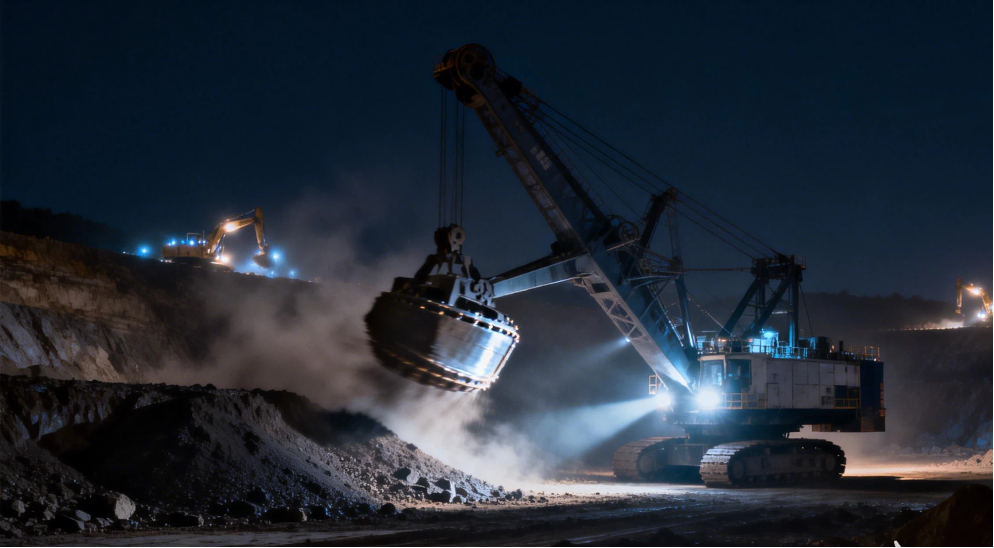
Construction & Mining: They provide the swing function for excavators and the rotation for crane booms.
Agriculture & Forestry: Used in heavy machinery like harvesters and forwarders.
Robotics & Automation: Enable precise rotation in automated assembly lines and material handling systems.
Aerospace & Defense: Position radar antennas and satellite dishes with high accuracy.
Slew Drive Selection Guide
Choosing the right slew drive is crucial for performance and longevity. Here are the key factors to consider:
Load Requirements: Calculate the three main forces—axial (thrust), radial (side load), and moment (tilting force).
Speed and Torque: Determine the required rotational speed and output torque for your application.
Environmental Conditions: Consider exposure to dust, moisture, extreme temperatures, or corrosive elements, which will affect sealing and material choices.
Duty Cycle: Will the drive operate continuously or intermittently? This impacts heat management and lubrication needs.
Mounting and Space Constraints: Ensure the drive’s size and mounting configuration fit your machine’s design.
For complex applications, consulting with experts like the engineers at LyraDrive can help you navigate these choices and avoid costly mistakes.
Maintenance, Fault Diagnosis, and Life Cycle Management
To ensure your slew drive operates reliably for years and delivers the best return on your investment, a proactive approach to maintenance is essential. Think of it like taking care of a high-performance vehicle: regular check-ups prevent major breakdowns.
Proactive Maintenance is Key
The cornerstone of longevity is following a regular maintenance schedule, primarily focused on two areas:
Lubrication: This is the most critical task. You must use the correct type of grease or oil specified by the manufacturer (like LyraDrive) and adhere strictly to the recommended intervals. Under-lubrication causes rapid wear and overheating, while over-lubrication can damage seals.
Seal Inspection: Regularly check the integrity of the seals. Damaged seals allow contaminants like dust, water, or grit to enter, which quickly abrades gears and bearings. In harsh environments, inspections should be more frequent.
Diagnosing Common Faults
Most problems give early warnings. Learning to “listen” to your drive can prevent small issues from becoming costly failures:
Unusual Noise: Grinding, clicking, or excessive humming often points to gear tooth wear, insufficient lubrication, or bearing damage.
Increased Backlash: If you notice more “play” or looseness in the rotation before the drive engages, it typically indicates wear in the gear mesh or internal bearings.
Overheating: A drive that is too hot to touch is a clear sign of trouble. Common causes are overloading, incorrect lubrication, or a failing internal component.
Difficulty Rotating or Seizing: This severe symptom can result from severe internal damage, contamination, or catastrophic bearing failure.
Implementing Life Cycle Management
Moving beyond reactive repairs to a full Life Cycle Management plan maximizes uptime. This involves:
Scheduled Inspections: Performing visual and functional checks at planned intervals, even if no problem is apparent.
Condition Monitoring: Using tools like vibration analysis pens or thermal cameras during inspections to detect subtle changes that signal wear.
Record Keeping: Documenting all maintenance activities, lubrication dates, and observed conditions. This history is invaluable for troubleshooting and predicting future service needs.
Planning for Replacement: Based on service hours and monitored condition, you can plan for drive overhaul or replacement during scheduled downtime, avoiding disruptive unexpected failures.
Partnering with LyraDrive provides a significant advantage in this area. We supply detailed, application-specific maintenance manuals, offer expert diagnostic support, and ensure a reliable supply of genuine replacement parts—all designed to give you control over your equipment's total life cycle cost and performance.
LyraDrive: Advanced Technology for High-Performance Slew Drives
At LyraDrive, we are committed to pushing the boundaries of slew drive technology. Our focus on innovation includes:
Advanced Materials: Using high-grade alloys and specialized coatings to enhance durability and corrosion resistance.
Precision Engineering: Optimizing gear designs for smoother operation, higher efficiency, and reduced noise.
Smart Technology Integration: Developing drives with embedded sensors for real-time monitoring of temperature, vibration, and load. This enables predictive maintenance, helping you address issues before they cause downtime.
Custom Solutions: We work closely with clients to develop tailored drives that meet unique application challenges, from extreme environments to specialized performance requirements.
By choosing LyraDrive, you partner with a manufacturer dedicated to reliability, innovation, and providing smart solutions for the future of motion control.
 WhatsApp
 sales@lyradrive.com
 +8613903880726